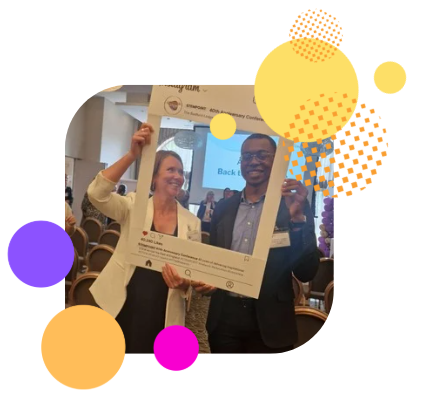
Research STEM is designed to empower students aged 17-18 by offering them an opportunity to participate in a dynamic programme that supports their ambitions and future career aspirations in science, technology, engineering, and mathematics.
This initiative is more than just a placement—it is a comprehensive experience focused on personal and professional development.
By combining academic enrichment with wellbeing and support, Research STEM prepares students not only for the next steps in their education but also for long-term success in their chosen careers. Our goal is to create a nurturing environment where young people feel part of something bigger—a community that champions their growth, curiosity, and potential.
Research STEM Impact
124
Projects offered
This summer, 124 students were given the opportunity to take part in a real-world research and investigation project. Their involvement brings: Fresh perspectives, Innovative ideas, New approaches to problem-solving. These students aren’t just learning they’re actively contributing to meaningful research that can shape the future.
56.5%
Female researchers
70 Female students where offered a research placement this summer. Females are still underrepresented in many STEM areas, especially in fields like engineering, physics and computer science. Encouraging female student researchers helps break down systemic barriers and creates a more inclusive and balanced scientific community.
32
Hardship fund support
32 Students received hardship fund support in addition to travel expense reimbursement during their placement. This support is crucial in helping them overcome financial barriers and manage costs associated with their Research STEM Placement, without this support from our funders students may have been unable to take part.
What is Research
STEM?
A bespoke opportunity for students and supervisors to work together and undertake a two week placement to carry out a piece of research/investigation in any STEM subject area. This programme offers Year 12 students based within in the East of England and London the opportunity to gain hands on, face to face experience in a STEM focused organisation.
In addition to hands-on research opportunities, the programme includes:
Upskilling workshops to build confidence and core competencies
Additional training in key STEM and transferable skills
Mental health and wellbeing sessions to promote resilience and self-care
Mentoring and guidance from experienced professionals
Report writing guidance with experienced professional
Research Project Examples
2026
They offer a great insight into the diverse range of topics our students have explored and the real-world impact their work is making.
Restoring Local Ecosystems: A Hands On Approach to Diversity.
Understand the principles of ecology and the significance of biodiversity. Identify native and invasive species in the local area. Learn and apply techniques for habitat restoration, including planting native species and removing invasive plants. Conduct before-and-after assessments of ecosystem health. Activities Field.
Choose a UK Law and Propose How It Should Be Reformed.
Choose a UK law that is unfair, outdated, ineffective, or problematic. In a small group, research the law, why it is controversial, how other countries approach the issue, and how you would reform it. Present a persuasive case to academics, explaining and defending your proposed changes.
Host-Virus Interactions During SARS-CoV-2 Infection.
Study how pandemic viruses interact with our intrinsic innate immune defenses to successfully infect and transmit in the human population. We have a particular interest in how viruses evolve to evade our antiviral defenses. For this, we take a comparative virology approach using SARS-CoV-2 or HIV-1.
Aircraft Landing Gear Weight Estimation.
The aim of this project is to develop and test a methodology for estimating landing gear weight using simplifying assumptions and existing open-source data. As the landing gear assembly includes many subcomponents and unknown parameters, a quantified margin of error must be incorporated into the estimate. This project forms part of the wider LANDOne research collaboration between Cranfield University and Airbus, investigating aircraft landing gears.
Meet the Research STEM team
We are a small, dedicated team of three, covering every aspect of the programme - from administration and marketing to coordinating placements, running inductions and celebrations, and reviewing student reports.
With a wealth of experience and a hands-on approach, we take pride in delivering the highest quality experience for both our students and student mentors. Our team is known for being friendly, approachable and committed to making every part of the programme engaging and successful.
"I see research as the most significant and impactful pathway to help me contribute to everlasting change in people's lives. Therefore, this placement is the perfect and optimal opportunity for me to explore and investigate that route further and develop the skills and experience needed for a future in healthcare and science."